
Interview: Karina Gamez
In La Sensuntepecana, Karina Gamez builds a geography out of what stays in the body. Scent is evidence of the lingering persistence of memory, the way it can outlive the moment that produced it and keep calling you back. From that premise, the piece is built like a palimpsest, with layers of regime and ritual, repression and intimacy, history and the mundane. Written in second person, it holds the urgency of a daughter trying to reach an origin that insists on itself, again and again, until the landscape becomes more than just a place you visit. It becomes an ancestral force you carry.
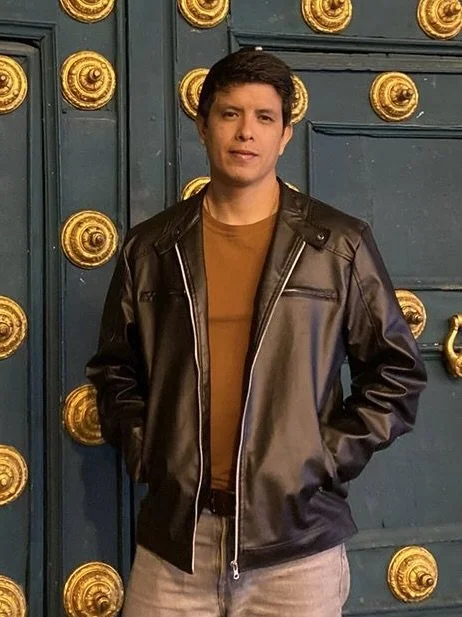
Entrevista: Elí Urbina
En Como ramas desnudas, Elí Urbina levanta una travesía coral donde el cuerpo y la historia avanzan juntos. El “nosotros” camina entre ruinas con una lucidez amarga, como si el paisaje fuera también una conciencia colectiva que ya no puede fingir inocencia. A medida que el poema marcha, la voz se vuelve más grave y más humana. No busca consuelo fácil, busca nombrar lo perdido, lo que pesa, y ese deseo obstinado de refugio aun cuando todo alrededor parece agotado.

Entrevista/Interview: Sergio Salazar
En La elección del náufrago, Dr. Sergio Salazar transforma una reunión de inmigrantes llena de comida, música y risas en un ritual de pertenencia que se quiebra de golpe ante la violencia del Estado. El cuento viaja como un péndulo, entre el carnaval y el pánico, hasta abrir un intersticio alucinatorio donde la memoria ancestral (la abuela, el talismán, el quipu) ofrece la tentación de reescribir la historia.

Interview: Anu Khosla
In “Blackberry Bush,” writer Anu Khosla captures a fleeting childhood memory, filled with the innocence of giggles, slippery rocks, and sun-dappled streams.

Interview: José H. Bográn
In “Missing Celia,” José H. Bográn crafts a heartfelt tribute to family, music, and the small treasures that hold deep emotional weight.

Entrevista: Yésica Isabel Nieves Quiñones
En “De acuerdo a la National Geographic”, Yésica Isabel Nieves Quiñones teje un poema íntimo y revelador sobre la multiplicidad de verdades y el poder de los pequeños actos cotidianos que rara vez llegan a los titulares.